
Here is are my notes from my address to researches and clinicians at the “MND Symposium for Australia and New Zealand” 28 September. As you can imagine the live presentation may have been funnier and a little ad lib.
Introduction
Hello, I’m Phil Camden.
I want to express my gratitude to Gethin and MND Australia for this opportunity and for organising these symposiums. A special thanks also goes to the Florey Institute. And of course, thank you all for being here today.
I have been married to my wife Lenore for 45 years.
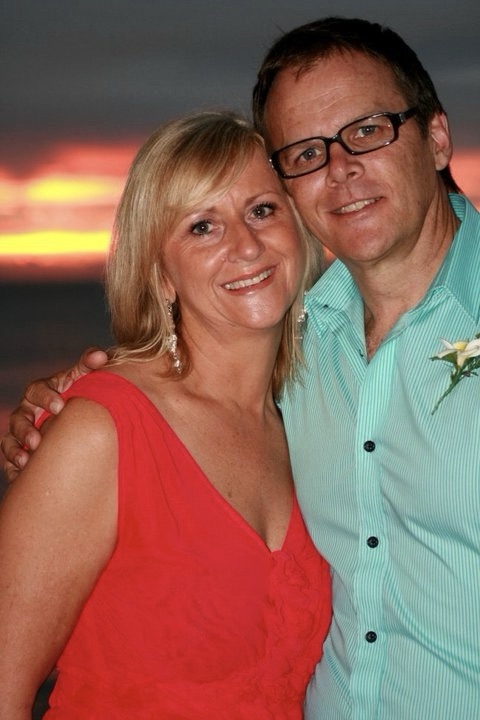
We have two married daughters and four grandchildren.


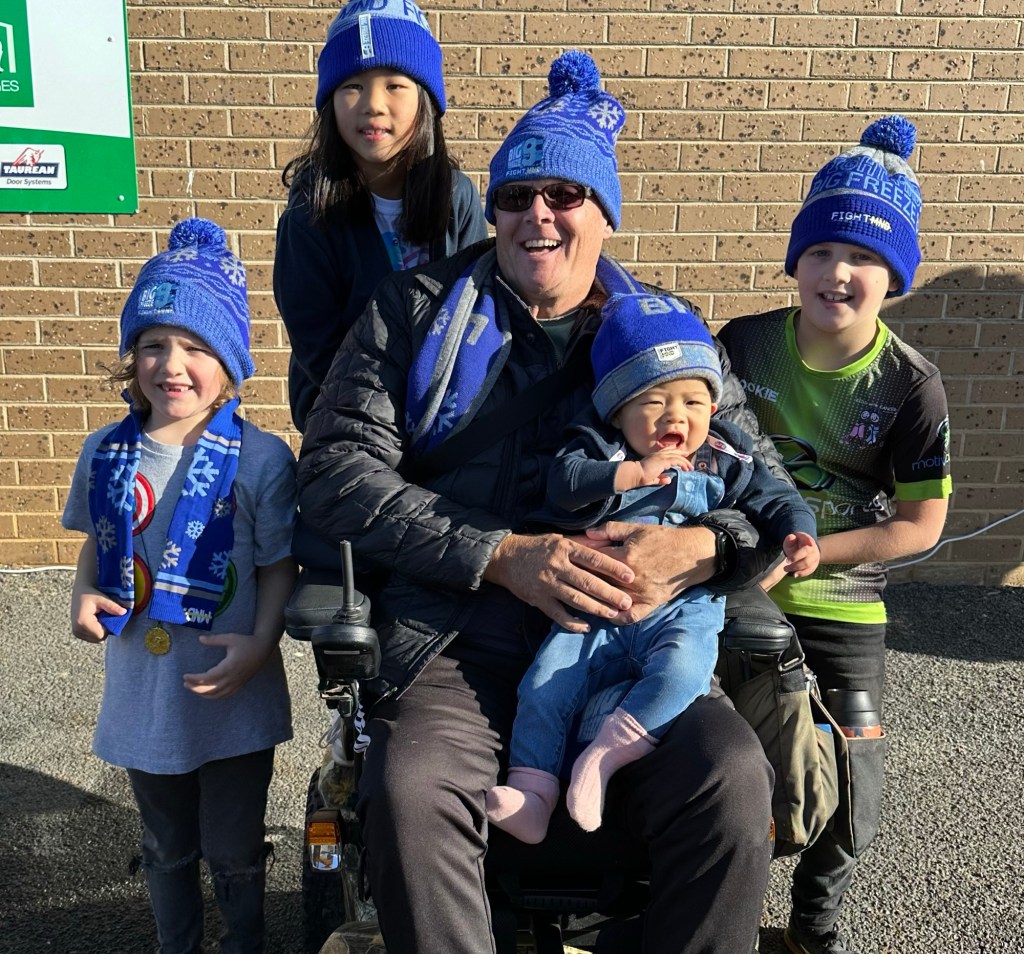
*Pictures of the Rileys, Moores, and me with our grandkids.*
Now, let’s turn to the serious matter at hand.
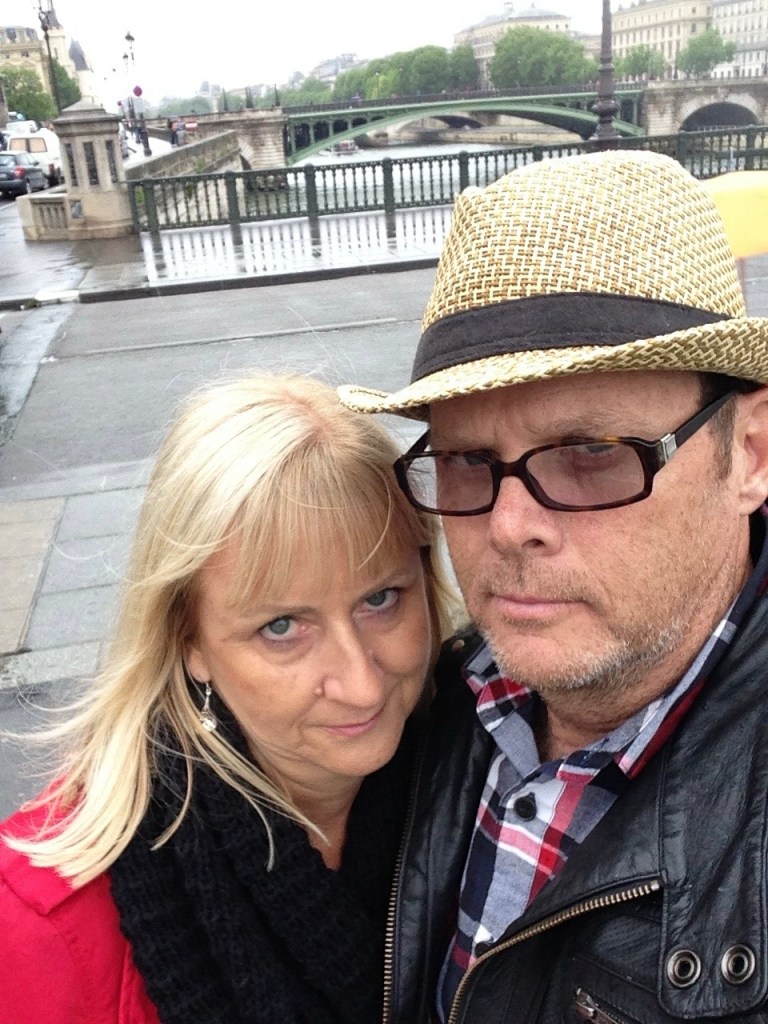
Motor Neurone Disease (MND) entered our lives in 2013.
At 54 years old, I was at a peak in my life—serving as a pastor in Newcastle, NSW. Our church was vibrant and making a positive impact in the community. I was also involved in the State executive of our movement, “Australian Christian Churches,” and had strong relationships with local officials.
My wife Lenore and I lived at Redhead Beach, where I enjoyed swimming and running daily.
However, I began to notice difficulty walking up the stairs to my office. I spent a year with a physiotherapist, but there was little improvement—if anything, my condition worsened. My GP recognised the symptoms from 15 years earlier and suggested I see a neurologist.
I remember seeing the term ALS on the screen and associating it with “All Lenore Says.” My GP urged me to consult a neurologist urgently. I went home, looked up ALS, and Lenore found me crying in my chair. She knew something was terribly wrong.
Four weeks later, a neurologist confirmed it was MND and prescribed Rilutek, a drug that might extend my life by about three months within a 27-month prognosis. I also consulted Prof. Matthew Kerneen (here today) and Prof. Dominic Rowe, who confirmed the diagnosis of MND.
Research indicated that my condition would lead to severe muscle loss, ultimately impairing my ability to walk, talk, eat, or breathe. The prospect of losing the ability to breathe was particularly daunting.
Facing the reality of a 0% survival rate was devastating. Unlike other illnesses where treatment options and survival rates are discussed, with MND, there’s no cure or effective treatment—just a grim prognosis.
**If someone is said to have HAD MND, you know they’re either deceased or have experienced a miraculous recovery.**
Death seemed to move from a distant possibility to an imminent reality.
Within months, I was no longer working. My sense of self-worth, purpose, and significance were being challenged.
**Everything you valued, believed, and trusted in before MND is scrutinised and reassessed.**
Receiving an MND diagnosis changes your world and challenges your worldview.
Growing up, there were two predominant worldviews: the “Big Bang Theory” and “Intelligent Design” or the “God Hypothesis.” My belief was in intelligent design. As a pastor, I firmly believed in God and that we were created by intelligent design.
The diagnosis of MND challenged my worldview profoundly. However, it did not alter my belief in intelligent design or God.
**There is growing interest in the “Intelligent Design Hypothesis.**
My worldview, which aligns with scientific discoveries about fine-tuning in cells, proteins, DNA coding, and Messenger RNA, remained intact.
I began to explore how to fine-tune my own body, mind, and soul, much like adjusting a guitar string or correcting a missing ingredient in a recipe.
I had my body tested for toxins and discovered elevated levels.

I had all my amalgam fillings removed—three sessions of two hours each.
I engaged a naturopath specialising in MTHFR, focused on a healthy gut, and incorporated beneficial foods into my diet.
I sought counselling for a healthier mindset and physiotherapy to improve body movement and muscle memory.
I use my MotoMed machine for two hours daily to assist with cardiovascular health, and I use a sauna every two days for 15 minutes.
I dedicate two hours a day to fine-tuning my body through physiotherapy.
Thanks to Leanne Sklaventis (living with MND) for her talk at the last symposium—who knew that a simple stretch or twist could improve balance?
I also take up to 50 supplements daily, including glutamine and a blend of amino acids.
My motto is, “Do your best and leave the rest to God.” My goal is to be as healthy as possible despite MND.
I might even be the healthiest person in the room apart from MND. In fact, some of you might not outlive me—remember, we are all terminal.
**Don’t look so shocked; I’ve listened to discussions about my death, so now it’s my turn.**
I am here because I believe in scientific research. Although my worldview (creator God) may differ from many in this room, it aligns with your work.
**My involvement in research includes:**
– Fight MND Global Research Roundtable. (Starts tonight 28 Sept).
– Fire Fighters Climb for MND
– MND Australia
– Lived Experience Network
– Research Collective
– Community of Care Research at Calvary Bethlehem
I urge you to find:
– The missing ingredient in the cake
– The string that’s out of tune
– The incorrect number in the equation
**Please focus on researching the codons in genes, DNA in mRNA, and their impacts on proteins and motor neurone.**
I encourage you to continue searching until together we discover what is needed to fine-tune this remarkable life we live. Yes “People with Lived Experience” are essential partners in this journey.
I believe that if we persist in our search, we will eventually find a cure for MND and better ways to care for those affected. This would grant us more time to live fully, cherish our families, and love those around us.
Know that I am praying for the success of your research and for everyone living with MND.
Those of us living with MND are your “why.”**
Why do researchers and clinicians keep working, facing challenges, and striving for solutions? Everyone needs a reason to continue in their efforts.
Your why is the young mother who has aged rapidly while her children are still young, and the father who may not see his daughter’s wedding, your work provides hope.
I want to thank all of you for your efforts to eventually render your jobs obsolete. I hope one day you will find yourselves looking for work because a cure has been discovered.
Some buildings in Europe took nine generations to complete. The architects, builders, and workers spent their lives on these projects, never seeing the final result.
I am asking you, on behalf of everyone with MND and those who will come after us, to continue searching and researching. Even if you are not the one to announce a breakthrough, your efforts will have been critical.
One day, when someone is diagnosed with MND, it will no longer be a terminal diagnosis because we will have found a cure.
Let’s TOGETHER turn MND 180 DNM (Disease No More).


 Fridays with Phil
Recent Comments